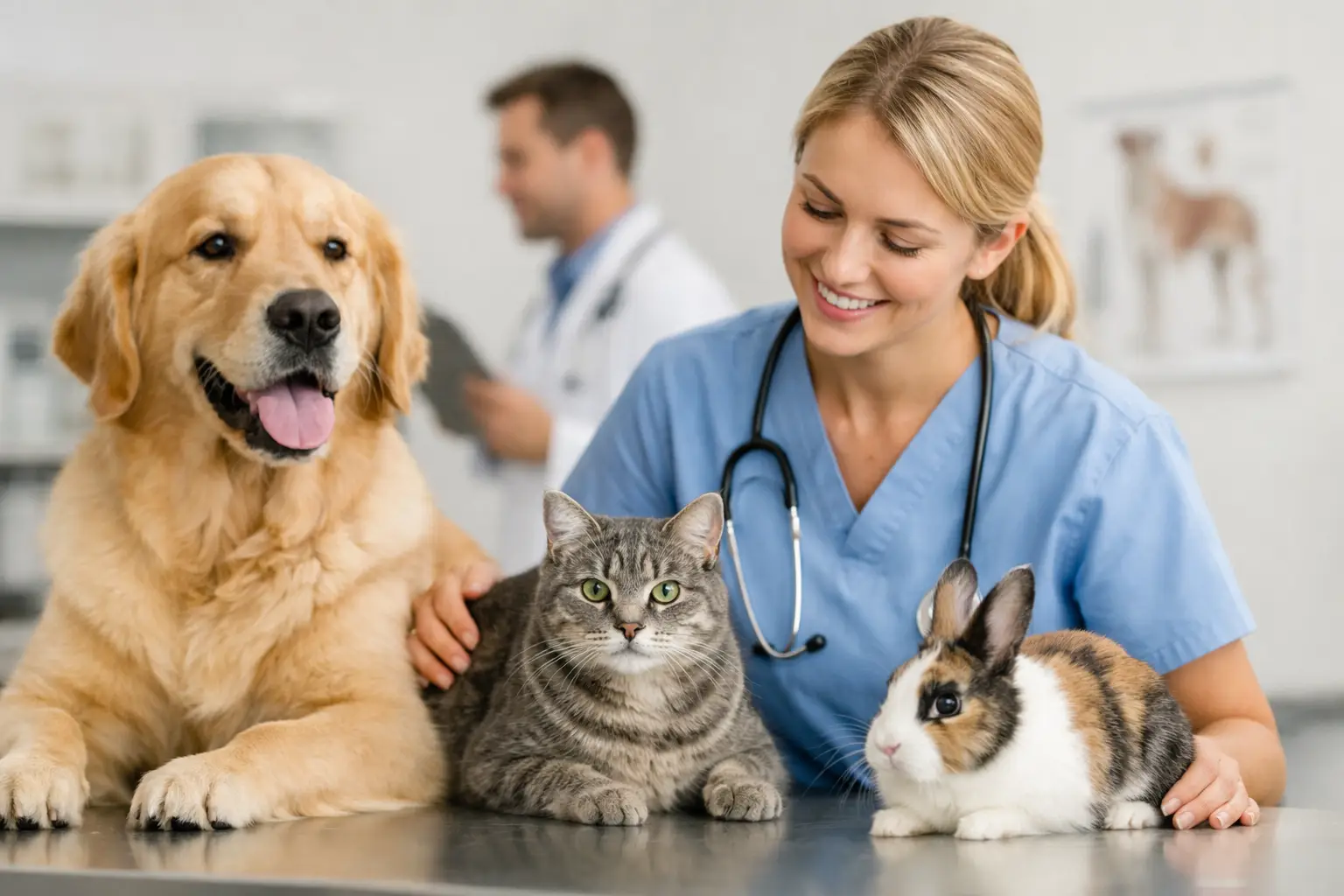
One pet needing the vet can turn the household upside down. Add a second cat hiding under the bed, a dog who hears the lead and assumes an adventure is happening, and a work diary that is already packed, and routine care can feel like a military operation.
This multi-pet vet visit guide is for homes where more than one furry family member needs attention. With a little planning, you can reduce the carrier drama, make better use of appointment time and have a clearer conversation about costs and next steps.
Why multi-pet appointments need a little thought 🐾
It is tempting to book everyone in together and hope for the best. Often, that is a sensible and convenient option, especially for routine checks, vaccinations, nail clips or a discussion about parasite prevention. Your vet can see each pet in turn while you avoid making several journeys or taking repeated time off work.
But one household appointment does not mean every pet has exactly the same needs. An older cat losing weight, a puppy due a vaccination and a dog with an itchy ear may all need different examinations, tests or treatment plans. Tell the practice what is going on before the visit, rather than simply saying that you have three pets to see. That gives the vet a realistic picture of the time and equipment needed.
This matters particularly if one animal is anxious, painful or unwell. A quiet, individual examination may be kinder and more useful than trying to assess everybody in one busy burst.
Before the appointment: make a simple pet-by-pet note
You do not need to prepare a formal medical file. A few notes on your phone are more than enough. Write each pet’s name, age, current medication and the reason they are being seen. Include changes you may otherwise forget in the moment: drinking more, eating less, coughing at night, scratching, stiffness after a walk, vomiting, diarrhoea or a change in litter tray habits.
Photos and short videos can be genuinely helpful. A limp that disappears at the vet, an odd breathing sound, a seizure-like episode or a rash that comes and goes may be much easier to assess from footage taken at home. If you have weighed your pet recently, jot that down too.
Be honest about behaviour. If your cat may swipe, your dog is frightened of strangers or one pet becomes protective when another is handled, say so beforehand. This is not a judgement on your pet or your parenting. It helps the vet plan calm, safe handling and decide whether appointments should be split.
Know who needs to be present
For routine care, one adult can usually manage a well-prepared multi-pet appointment. For more complicated cases, it may help to have another person at home - one to talk through the history and one to keep the other animals settled.
If a child is particularly attached to a pet, decide in advance whether they should be there for an examination or difficult conversation. There is no single right answer. What matters is protecting the pet’s calm and giving everyone enough space to take in the information.
Make the home set-up work for you 🏠
At-home care removes the car journey and waiting room, but a bit of preparation still makes a real difference. Choose a quiet room with decent light and enough floor space. Put away food bowls, chews and exciting toys if your pets are likely to squabble over them.
Cats do best when they are not being chased around the house five minutes before the appointment. Keep the cat you need to see in a calm room beforehand, with access to their usual hiding place if possible. There is no prize for dragging a terrified cat from behind the washing machine. Your vet can often begin with a chat while the cat settles, then take things slowly.
For dogs, a short toilet break before the visit can take the edge off. Keep leads nearby, even indoors, if that helps you manage movement safely. If one dog gets overexcited around visitors, settle them in another room with a family member until it is their turn.
A home visit is not about making your house look perfect. Please do not spend the morning apologising for laundry or toys on the floor. The goal is a safe, reasonably calm space where your pets can be themselves. You can even enjoy a cuppa while we work through the plan.
Decide whether one visit is actually the kindest option
Bringing care together is convenient, but it depends on the animals in front of you. A bonded pair of relaxed dogs may be perfectly happy being seen one after another. Two cats who become distressed by each other’s carriers, or a reactive dog and nervous kitten, may be better managed separately.
The same applies when one pet is seriously unwell. If your attention needs to be fully on a difficult diagnosis, quality-of-life discussion or end-of-life care , it is often kinder to arrange another time for routine vaccinations. You deserve the space to ask questions without trying to stop another pet from eating the vet’s bag.
Tell the practice if you are unsure. A good plan is not about cramming the maximum number of pets into one slot. It is about balancing convenience, cost and each animal’s welfare.
Ask clear questions about cost before treatment 💷
Multi-pet homes can make veterinary bills feel unpredictable, especially when several animals are due vaccines or parasite treatment around the same time. There is nothing awkward about asking for prices, options and estimates before you agree to non-urgent treatment.
Ask what is included in the consultation, whether each pet is charged separately, and whether there is a travel charge. If blood or urine tests are recommended, ask what question the test is designed to answer and what the likely next steps would be for different results. Tests are often very useful, but you should understand the reason for them rather than feeling bounced into a bill you did not expect.
Medication is another sensible conversation. Ask whether there are licensed alternatives, how long treatment is likely to last and whether a written prescription is available if you wish to source medication elsewhere. The cheapest option is not always the best option, particularly where palatability or reliable supply matters, but choice should be clear.
For households across Essex, Hertfordshire and London , Vet on the Loose charges one travel fee regardless of how many pets are seen during a home visit. That can make combining appropriate routine appointments far more straightforward, while each pet still receives their own examination and treatment discussion.
Keep vaccination and prevention records in one place
A shared household calendar is a small thing that prevents a lot of last-minute stress. Add vaccination due dates, flea and worming reminders, repeat medication reviews and insurance renewal dates. Keep copies of vaccine cards, previous test results and microchip details together, either in a labelled folder or secure digital notes.
Do not assume all pets need the same parasite product or schedule. Their age, weight, lifestyle, travel, health conditions and whether they hunt or eat raw food can change the advice. A housebound cat and a spaniel who enjoys every muddy hedge have very different risk profiles.
If you are planning a holiday abroad with a dog or cat, start the travel conversation early. Animal Health Certificates and fit-to-fly paperwork have timing rules, and one missing detail can cause unnecessary panic close to departure.
During the visit: let the vet see normal behaviour
You do not need to hold every pet tightly or insist they sit perfectly. In fact, watching an animal move naturally around their own room can reveal useful clues about mobility, confidence and breathing. Let the vet guide you on when to use a lead, carrier or gentle restraint.
Try to focus on one pet at a time. It is easy for concerns to blur together in a busy household, so use your notes and say what worries you most first. If the vet recommends monitoring rather than immediate treatment, ask exactly what changes should prompt a call and how long it is safe to wait.
Before the appointment ends, make sure you know who is having what medication, how it is given and when it should be reviewed. In homes with several pets, mix-ups happen. A written plan on the fridge can be a lifesaver, particularly if more than one family member shares the care.
Aftercare is part of the appointment
Give everybody a quiet hour afterwards if you can. Cats may want to disappear for a while, and dogs may be sleepy after an exciting visitor or a procedure. Keep an eye on pets who have had vaccinations, injections or new medication, following the advice you have been given about expected mild effects and warning signs.
If one animal has come home smelling different after a clinic procedure, another pet may briefly react as though they are a stranger. Separate them calmly if needed, then allow a gradual return to normal rather than forcing contact.
The best multi-pet plan is rarely perfect. It is simply a calmer way to make sure every dog and cat gets the attention they need, without turning care into an all-day ordeal for the whole household.