The hardest part of a routine vaccine should not be getting your cat into a carrier, listening to your dog panic in the car, then sitting in a busy waiting room hoping nobody sneezes on them. When weighing up a mobile vaccination versus surgery visit, the best choice is usually the one that lets your pet be properly assessed, safely vaccinated and treated as an individual - without creating more stress than necessary.
A home visit is not automatically right for every animal or every health concern. Nor is a trip to the surgery always as quick, affordable or straightforward as it ought to be. Here is an honest look at what changes when the vet comes to you.
🏠 Mobile vaccination versus surgery visit: the big difference
The clinical goal is the same. Before giving a vaccination, a vet should carry out a health check, discuss any changes you have noticed and make sure the vaccine is appropriate for your pet. A vaccine is not simply an injection to tick off a reminder card.
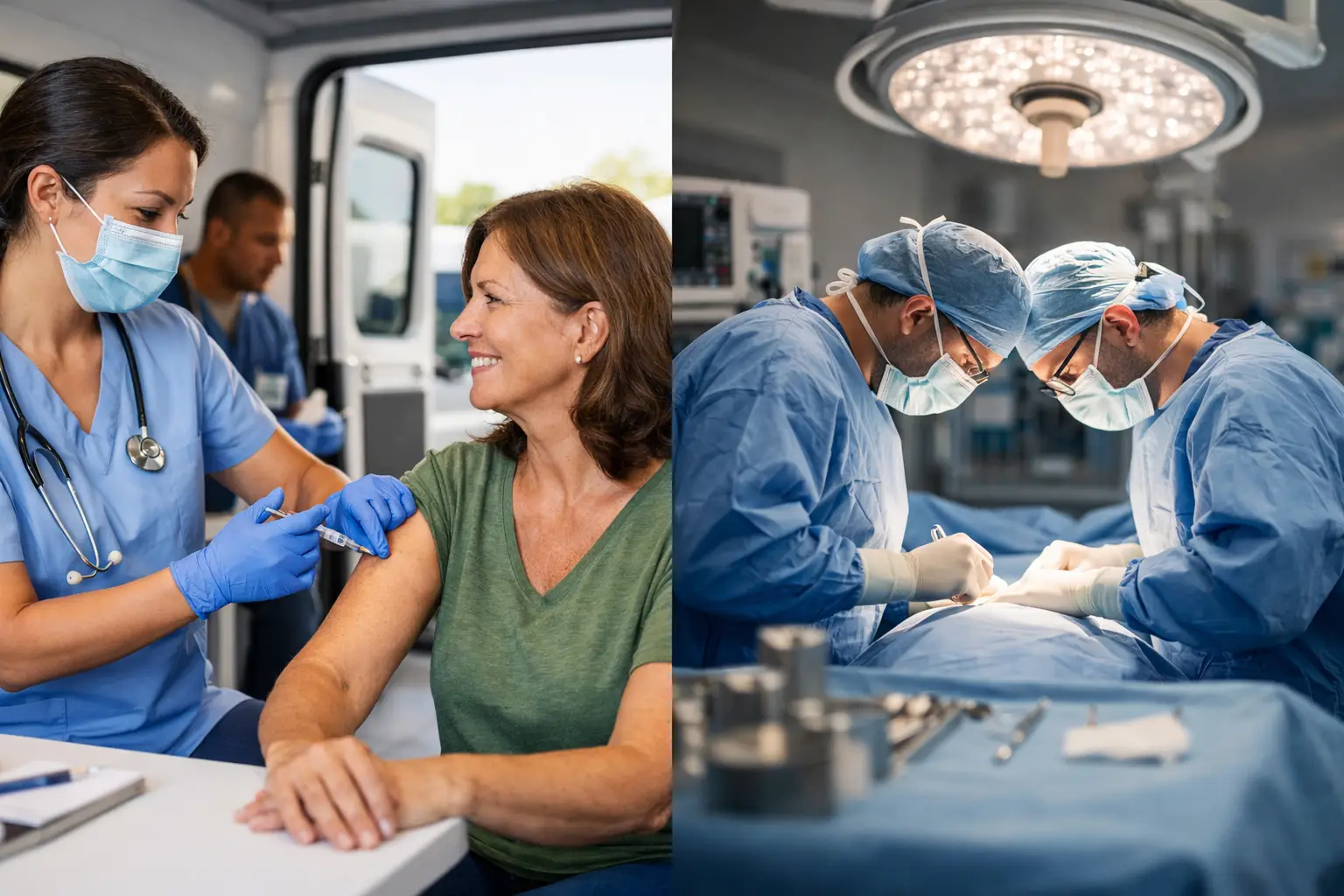
The setting, however, can change the entire experience. At a surgery, you travel to the vet. At a mobile appointment, the vet comes to your home, usually seeing your pet where they feel most secure. For many dogs and cats, that alone means a calmer examination and a more useful consultation.
A mobile appointment can also give the vet a better picture of normal life. Is the cat hiding because she is worried, or because she is unwell? Is your older dog struggling to get off the sofa? Is the puppy’s diet working for the whole household? Those everyday details are easier to spot and discuss in the place where they happen.
That said, a surgery has equipment, staff and facilities immediately to hand. If your pet needs an X-ray, ultrasound, hospitalisation, an operation or urgent treatment, a clinic is generally the right place to be. Choosing home care is about using the right setting for the job, not pretending one model does everything.
😺 Less stress can mean a better check-up
Cats are often the clearest example. For some, the carrier appears and they disappear under the bed. Once caught, there is the car journey, unfamiliar smells, barking dogs and a waiting room full of noises they would rather avoid. By the time they reach the consulting room, their heart rate may be up and their patience may be gone.
A home vaccination removes several of those triggers. Your cat can be examined in a familiar room, with familiar people nearby, and then go straight back to their favourite hiding place or sunny windowsill afterwards. There is no carrier battle at the end of the appointment either.
Dogs benefit too, particularly nervous rescues, older dogs with painful joints, puppies still building confidence, or dogs who react to other animals. A calm home consultation is not a magic fix for fear, but it can avoid stacking several stressful events into one afternoon.
There is a practical clinical point here. A frightened pet may pant, tremble, growl or resist handling. That can make a brief appointment feel rushed for everyone. Giving the consultation time - rather than trying to squeeze a worried animal through a standard slot - allows the vet to slow down, use treats where suitable and adapt their handling.
⏰ The value of time at home
A surgery appointment may look shorter on paper, but the total job can take a surprising chunk out of your day. There is getting the pet ready, loading the car, travelling, parking, waiting, checking out and getting home again. For a multi-pet household, it can feel like a military operation.
With a mobile vet, your pet does not need to travel and you do not need to sit in a waiting room. You can make a cup of tea while you wait at home, then get on with the rest of your day afterwards. This matters for busy families, people working from home, owners without easy transport and anyone caring for more than one pet.
It is also useful when more than one animal is due a check-up. Seeing pets together means the vet can discuss their routines, parasite control, diets and any shared concerns in one conversation. Some mobile practices charge one travel fee for the household rather than treating every pet as a separate journey, so it is worth asking how this is structured before you book.
At Vet on the Loose, appointments last a minimum of 30 minutes. That makes room for the vaccination itself, a proper examination and the questions that tend to get forgotten when a nervous pet is on the table and the next appointment is waiting outside.
💷 Cost is not just the consultation fee
It is sensible to compare prices, but compare like with like. A surgery may have a lower advertised vaccine price, while a mobile vet may charge a consultation and travel fee. On the other hand, a home visit can save parking costs, fuel, time away from work and the headache of arranging transport.
The clearest question is not, “Which number is lowest?” It is, “What is included, and what might I need to pay next?” Ask whether the price includes the health check, vaccine, vaccination record update, travel, any required medication and follow-up advice. A transparent answer helps you budget without unpleasant surprises at the end.
For multi-pet homes , mobile care can be particularly good value if one journey covers all the animals. For a single, confident pet who lives around the corner from a surgery, a clinic appointment may be the simpler and cheaper option. There is no prize for choosing the most convenient format if it does not make financial sense for your household.
🩺 When a surgery visit is the better call
Home vaccination works best for routine preventive care in a pet who is well enough to be vaccinated after examination. If the consultation uncovers a concern, the vet may recommend blood or urine testing, treatment, monitoring or referral. Some of this can still be organised at home, depending on the service and the pet’s needs.
But a surgery should be your first choice when your animal needs facilities that cannot safely travel to a living room. That includes suspected fractures, severe breathing difficulty, major wounds, repeated vomiting with lethargy, collapse, a blocked cat, a difficult labour or anything that may require immediate imaging, surgery, oxygen, intensive monitoring or hospitalisation.
The same applies if your pet is extremely fearful or likely to bite. Some animals are more settled away from home because they do not feel the need to guard their space. Others may need additional support, carefully planned handling or sedation in a clinical setting. A good vet will be straightforward about this rather than forcing an appointment format that is not safe.
A vaccine appointment can uncover bigger issues
Routine visits are often when owners finally mention the small things: drinking more water, slowing down on walks, itchy ears, weight gain, bad breath or a change in litter tray habits. Please do mention them. A vaccination consultation is an opportunity to look at the whole pet, not just deliver an annual jab.
If there are several concerns, tell the practice when booking. That helps them allow suitable time and bring anything needed for samples or treatment. It also means you will not feel pressured to choose between discussing a worry and getting back to work.
🐾 What makes a home vaccination appointment go smoothly
You do not need to turn the house upside down before the vet arrives. Your pet lives there, and real life is useful information. A little preparation does help, though.
Choose a quiet room where your pet is comfortable, with decent light and a clear space for an examination. Keep cats indoors beforehand and avoid feeding a nervous, treat-motivated dog a huge meal immediately before the visit. Have their vaccination card or previous records nearby if you have them, plus a note of any medication, recent changes or questions you want to ask.
For anxious pets, avoid turning the appointment into a dramatic event. Keep your own voice calm, allow the vet to take the lead and use favourite treats if appropriate. If your pet has a known history of fear, reactivity or handling difficulties, say so in advance. That is helpful information, not something to apologise for.
So, which one should you choose?
Choose a mobile vaccination when your pet is generally well, travelling or waiting rooms cause stress, you need care to fit around home life, or you would value a longer conversation in a familiar setting. Choose a surgery visit when your pet needs urgent support, specialist equipment or the safety net of a fully equipped clinic.
For plenty of pets, the best answer is both at different times. Home visits can make routine care calmer and more personal, while a trusted surgery remains essential when illness or injury demands more equipment. The right veterinary care should fit your pet’s health, your circumstances and your budget - and leave you feeling heard, rather than hurried out of the door.